
Root Canal Treatment
At 210 Dental Clinic, we provide root canal treatment for patients in Boston Spa, Wetherby and the surrounding areas, helping to save damaged or infected teeth and preserve natural smiles.
Our dentist with a special interest in endodontics, Dr Claire Kennedy, holds a Master's degree in Endodontics and uses advanced techniques, including a dental microscope, to carefully treat infected root canals.
With modern equipment and effective local anaesthetic, root canal treatment is often much more comfortable than patients expect.
258 patient reviews on Google
Root Canal Treatment?
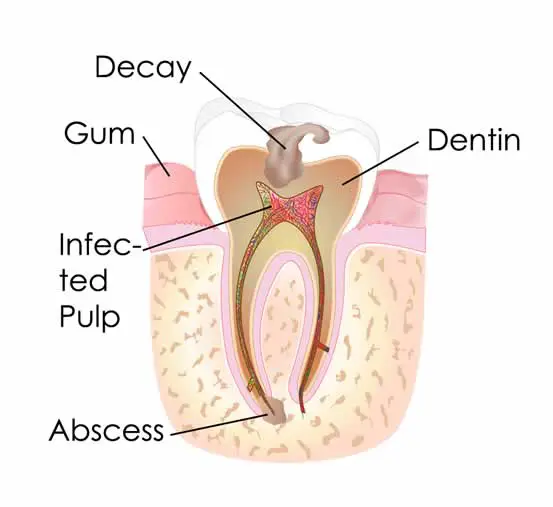
Root canal treatment, also known as endodontic treatment, is used to save a tooth when the soft tissue inside it, known as the dental pulp, becomes infected or inflamed.
This can happen as a result of deep decay, a cracked tooth, trauma or damage to an existing filling.
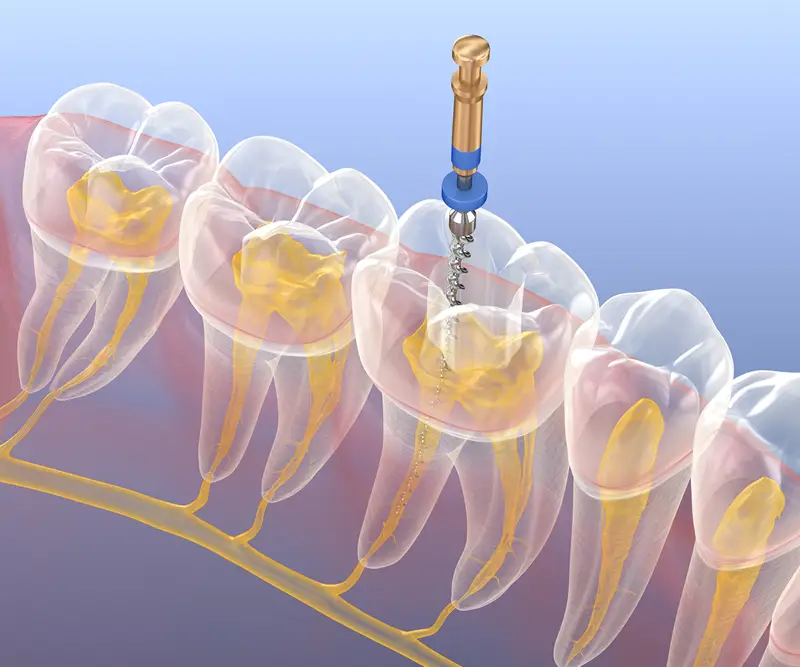
During treatment, the affected tissue is removed, and the root canals are carefully cleaned, disinfected and sealed to help prevent further infection.
The aim is to relieve discomfort, treat the infection and preserve your natural tooth rather than extract it.

Root Canal Treatment
An infected or damaged tooth may cause a range of symptoms, including:
- Persistent or severe toothache
- Pain when biting or chewing
- Prolonged sensitivity to hot or cold
- Swollen or tender gums
- Darkening or discolouration of the tooth
- An unpleasant taste or a dental abscess
Not all infected teeth cause noticeable pain, so regular dental examinations are important.
If you're experiencing any of these symptoms, arrange an appointment so we can assess the tooth and recommend appropriate treatment.
The Benefits
Root canal treatment can offer several important benefits:
- Save your natural tooth – Avoid extraction where possible and maintain your natural smile.
- Relieve pain and discomfort – Treat the underlying cause of toothache and sensitivity.
- Treat infection – Remove infected tissue and help prevent the infection from progressing.
- Restore normal function – Allow you to bite and chew comfortably once the tooth has been restored.
- Maintain your bite – – Preserve the position of surrounding teeth and avoid the need to replace a missing tooth.
What Happens During Root Canal Treatment?
Root canal treatment is carefully planned around your individual needs. Depending on the complexity of the tooth, treatment may take one or more appointments.
1. Examination and Diagnosis
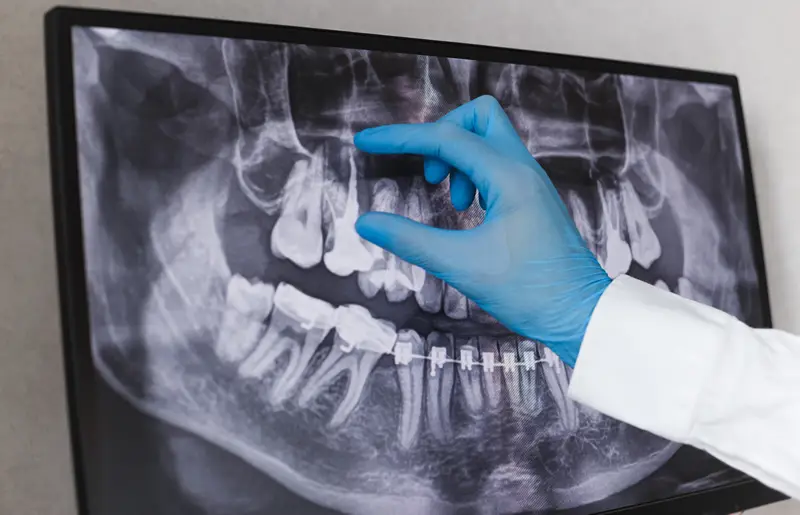
We'll examine your tooth, discuss your symptoms and take any necessary X-rays to assess the infection and determine the most suitable treatment
2. Local Anaesthetic
The area around the tooth is numbed with local anaesthetic to keep you comfortable throughout the procedure.
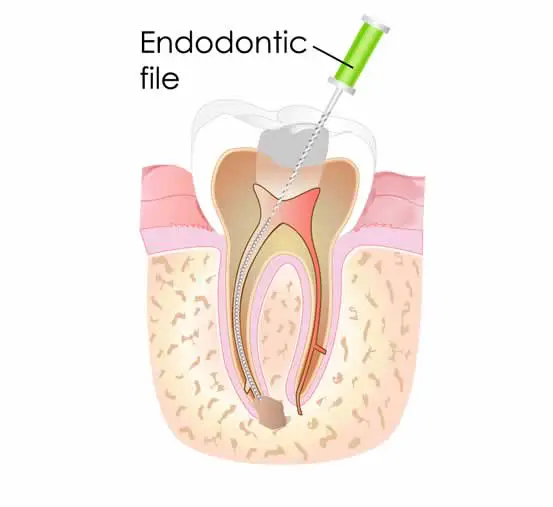
3. Cleaning the Root Canals
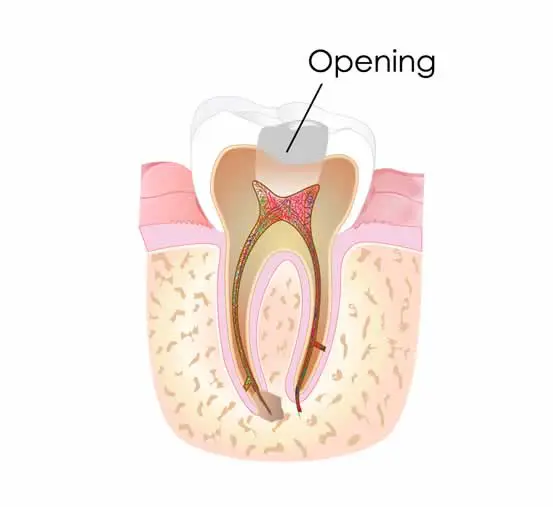
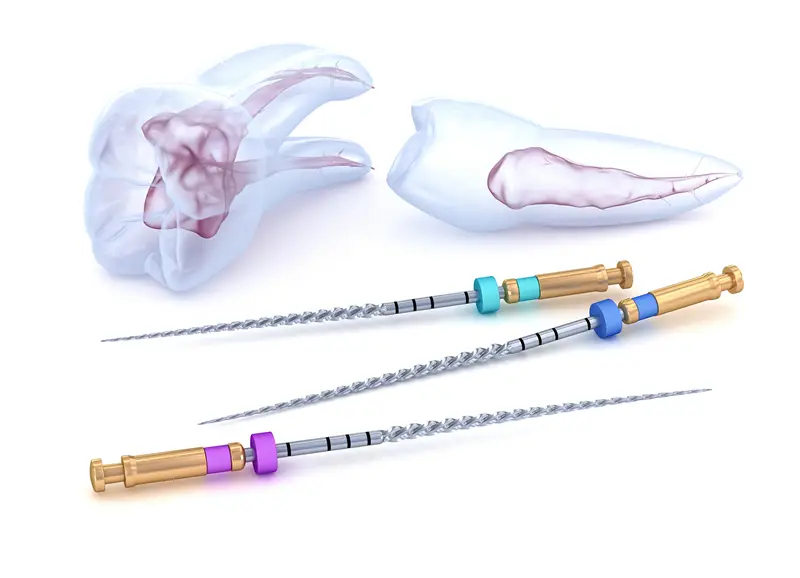
A small opening is made in the tooth to access and remove the infected or inflamed pulp. Dr Kennedy uses specialist instruments and a dental microscope to carefully clean and shape the root canals.
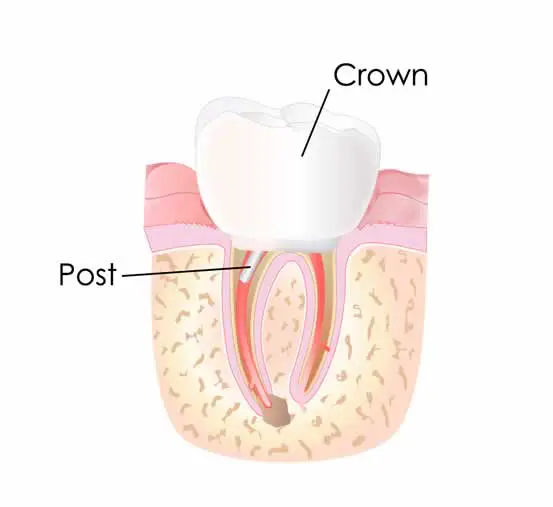
5. Restoring Your Tooth
Following treatment, your tooth will need a permanent restoration, such as a filling, onlay or crown. A crown is often recommended for back teeth or teeth that have lost significant structure, providing additional strength and protection.
Following Root Canal Treatment
Some mild tenderness or sensitivity is normal following treatment and should gradually settle.
To help your tooth recover:
- Avoid eating while numb to prevent accidentally biting your cheek or tongue.
- Take care when chewing, particularly if a temporary filling has been placed. Avoid hard or sticky foods until your tooth is permanently restored.
- Use suitable pain relief if needed, following your dentist's advice.
- Maintain good oral hygiene by continuing to brush twice daily with fluoride toothpaste and cleaning between your teeth.
If you experience worsening pain, increasing swelling or other persistent symptoms, contact the practice for advice. Seek urgent medical attention if you develop significant facial swelling or difficulty breathing or swallowing.
Root Canal Treatment FAQs

The cost of root canal treatment depends on which tooth requires treatment, the complexity of the root canals and whether a crown or other restoration is needed afterwards.
Following your examination, we'll explain the recommended treatment and associated costs so you can make an informed decision before proceeding.
Root canal treatment is carried out under local anaesthetic, so you should not feel pain during the procedure. You may experience some pressure or movement, and mild tenderness afterwards is normal.
If you're nervous about treatment, our friendly team will be happy to discuss your concerns.
A straightforward procedure may take around 60–90 minutes, while more complex cases can require longer appointments or multiple visits.
Your dentist will explain what to expect following your initial assessment.
With successful treatment, a suitable restoration and good oral care, a root canal-treated tooth can last for many years.
Regular dental check-ups and good oral hygiene will help maintain its long-term health.
Not every tooth requires a crown, but back teeth and those with significant structural damage often benefit from the additional protection.
Your dentist will recommend the most suitable restoration for your tooth.
Although root canal treatment has a high success rate, infection can occasionally persist or return.
If this happens, further treatment may be possible. Your dentist will discuss the available options, including retreatment or extraction where necessary.
An untreated infected tooth can become increasingly painful and may develop an abscess. Over time, the infection can spread to the surrounding tissues, and extraction may become necessary.
Early assessment offers the best opportunity to explore whether the tooth can be saved.
Maintaining good oral hygiene, attending regular dental examinations and treating decay promptly can help prevent problems from reaching the centre of a tooth.
Wearing a protective mouthguard during contact sports can also help reduce the risk of dental injuries.