
Dental Examination
At 210 Dental Clinic, we provide comprehensive dental examinations for patients in Boston Spa, Wetherby and the surrounding areas.
Regular dental examinations, combined with a good daily oral hygiene routine, are an important part of preventing dental problems and maintaining a healthy smile.
At 210 Dental Clinic, our dental examinations are designed to assess your overall oral health, identify potential problems at an early stage and give you personalised advice about looking after your teeth and gums.
Regular examinations can help us identify issues before they cause pain or become more difficult to treat. Early diagnosis can often mean simpler treatment and help you maintain your natural teeth for longer.

258 patient reviews on Google
Dental Examinations Important?
Even if your teeth feel healthy, some dental problems may not cause noticeable symptoms in their early stages.
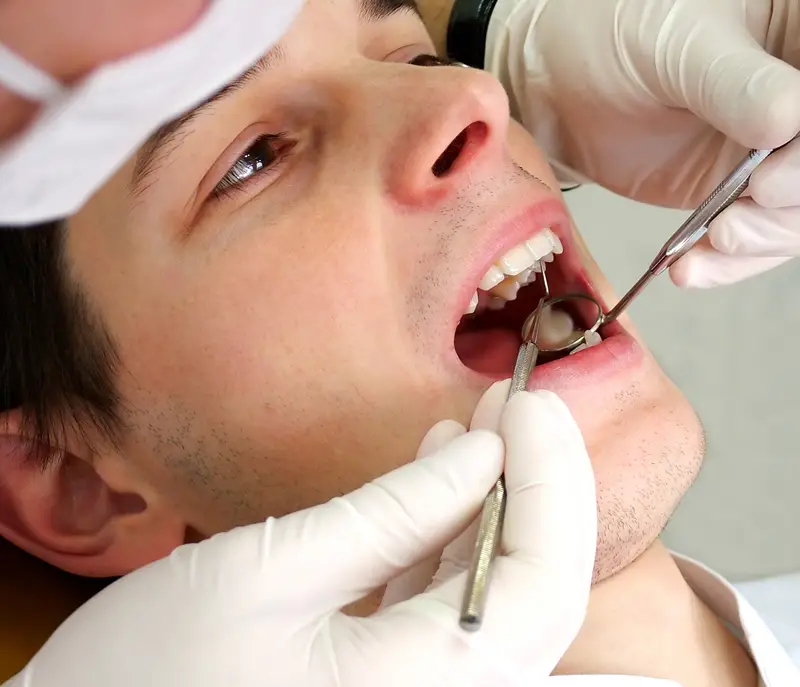
A regular dental examination allows your dentist to check for signs of tooth decay, gum disease and other oral health concerns including Oral Cancer Screening.
Regular dental visits can help:
- Identify tooth decay and other dental problems early
- Check the health of your gums
- Monitor existing fillings, crowns, bridges and other restorations
- Assess your bite and overall oral health
- Identify changes to the soft tissues of your mouth
- Provide personalised oral hygiene advice
- Determine whether dental X-rays or further investigation are clinically appropriate
- Discuss any recommended treatment before you decide how to proceed
What Happens During a Dental Examination?
We understand that visiting the dentist can make some people feel anxious. Knowing what to expect can help make your appointment more comfortable.
Your dental examinations at 210 Dental Clinic will be tailored to your individual needs, but your examination may include the following.

Medical and Dental History
Your dentist / dental therapist will review your medical and dental history and ask about any changes since your previous appointment.
This includes discussing relevant medical conditions and medications you may be taking, as some can affect your oral health or influence dental treatment.

Head and Neck Examination
Your dentist / dental therapist may examine the external areas around your head and neck, including your jaw joints and lymph nodes.
They will look for any swelling, tenderness, asymmetry or other changes that may require further investigation.
Oral Examination
Your dentist / dental therapist will carefully examine your teeth and mouth for signs of dental problems, including:
- Tooth decay
- Cracks or chips
- Tooth wear and erosion
- Plaque and tartar build-up
- Problems with existing fillings, crowns or bridges
- Changes to your bite
This examination allows your dentist to monitor your oral health and identify anything that may need attention.

Gum Health Assessment
Healthy gums are an important part of a healthy mouth.
Your dentist / dental hygienist may carry out a Basic Periodontal Examination (BPE) to assess your gum health. This is a standard screening method used in UK dentistry to identify signs of gum disease and determine whether a more detailed periodontal assessment may be required.
Signs such as bleeding, swelling or tenderness of the gums can indicate gum inflammation or gum disease. If we identify any concerns, we'll explain what they mean and discuss the appropriate treatment and ways to improve your gum health.

Oral Cancer Screening
As part of your routine dental examination, your dentist / dental therapist will check the soft tissues inside your mouth for unusual changes. This includes examining areas such as your:
- Lips
- Cheeks
- Tongue
- Floor of the mouth
- Palate
- Throat
Your dentist / dental therapist will look for changes such as persistent sores, ulcers, lumps or unusual red or white patches. Routine examinations provide an opportunity to identify changes that may require further assessment. If anything concerns your dentist, they will explain what they have found and advise you about the appropriate next steps.
Dental X-Rays
Dental X-rays, also known as radiographs, are not required at every dental examination.
Your dentist / dental therapist will only recommend an X-ray when it is clinically appropriate and the information it provides is likely to help with diagnosis or treatment planning. Your dental history, individual risk factors and previous X-rays will all be taken into consideration.
If an X-ray is recommended, your dentist / dental therapist will explain why it is needed and answer any questions you may have before proceeding.
Discussing Your Oral Health
Your check-up is an opportunity to talk openly with your dentist / dental therapist about your oral health and any concerns you may have.
At the end of your examination, your dentist / dental therapist will explain their findings clearly and answer your questions. If treatment is recommended, we'll discuss the available options with you so that you understand what is involved.
Where appropriate, you'll receive a treatment plan outlining the recommended treatment and associated costs before any treatment begins.
How Often Do I Need One?
There is no single schedule that is right for everyone.
The recommended frequency of your dental examination depends on factors such as your oral health, dental history, age and risk of developing dental problems.
Some patients may need examinations more frequently, while others may be advised to attend at longer intervals.
Your dentist / dental therapist will recommend an examination schedule based on your individual needs.


Your Teeth in Between Check-Ups
Regular dental examinations are only one part of maintaining good oral health. Your daily routine also plays an important role.
We generally recommend:
- Brushing your teeth twice a day with fluoride toothpaste
- Cleaning between your teeth every day using floss or interdental brushes
- Limiting sugary foods and drinks
- Avoiding smoking and tobacco products
- Attending dental hygiene appointments when recommended
- Contacting your dentist if you notice pain, swelling, bleeding gums or other changes
Your dentist or dental therapist can provide personalised advice based on your individual oral health.
FAQs
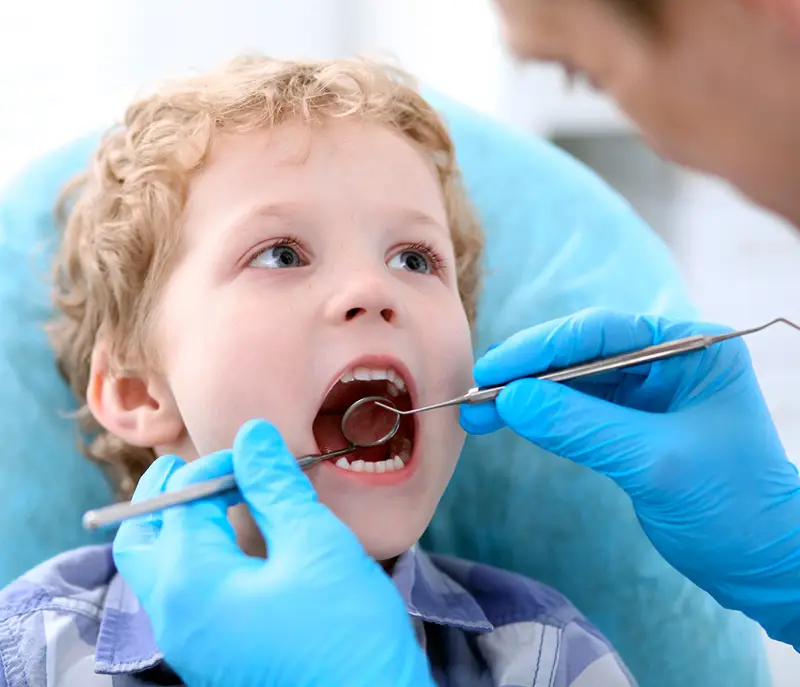
A dental examination typically includes an examination of your teeth, gums and mouth. Your dentist may also assess your bite, existing dental restorations and overall oral health.
Depending on your individual needs, your examination may include a gum health assessment, oral cancer screening or dental X-rays where clinically appropriate
The length of an examination can vary depending on your individual needs and whether you are a new or existing patient.
Your dentist/ dental therapist will allow enough time to carry out an appropriate examination and discuss any concerns or recommended treatment with you.
No. Dental X-rays are only recommended when your dentist / dental therapist believes they are clinically necessary and will provide useful diagnostic information.
Your dentist / dental therapist will consider your individual circumstances and explain why an X-ray may be recommended.
If your dentist/ dental therapist identifies a dental problem, they will explain what they've found and discuss the treatment options available to you.
You'll have the opportunity to ask questions, and where treatment is recommended, we'll explain the associated costs before proceeding.
Absolutely. Your dental examination is an opportunity to discuss anything you're concerned about, whether it's tooth sensitivity, bleeding gums, changes to your smile, dental anxiety or a particular treatment.
Please tell your dentist / dental therapist about anything that concerns you so we can provide appropriate advice.
If you're nervous about visiting the dentist, please let us know. You're not alone, and there's no need to feel embarrassed about dental anxiety.
We can take the time to explain what we're doing, answer your questions and work at a pace that helps you feel comfortable.
Our aim is to make your dental visits as calm and straightforward as possible.